 Deutsch
 العربية
 中文
 Français
 English
 Español
 Italiano
 Türkçe
How to water plants while on vacation: a plan for every trip length
A short trip rarely kills a healthy plant; a hot week with no plan often does. The trick is to slow down how fast your plants use water, then give them a steady supply that lasts until you are back. This guide matches the method to the length of your trip, from a long weekend to a month away.

- Up to 1 week
- Deep watering plus shade usually enough (estimated)
- 2 weeks or more
- Wicks, ollas or self-watering pots
- Easiest plants
- Succulents, ZZ plant, snake plant
- Hardest plants
- Peace lily, ferns, vegetables in pots
Your plan by trip length
Start by counting the days you will be away, then add one or two days for delays. The plan below is a rough guide for indoor plants in an average home; hot summer weather shortens every time span.
Before you go
- Water deeply: One or two days before leaving, water each pot until water runs from the drainage hole, then let it drain. Soaking a very dry root ball in a basin for 20–30 minutes rewets it fully.
- Move out of the sun: Pull plants 3–6 ft back from bright south and west windows. Less light and cooler air mean slower drying; a week in bright shade does far less harm than a week of thirst.
- Group plants together: Clustered pots share humidity and lose water more slowly than plants standing alone. A bathroom with a window is a good spot for ferns and other moisture lovers.
- Remove dead leaves and flowers: Trim yellow leaves, spent blooms and any fruit that is about to ripen. Fewer leaves and flowers mean less water lost, and nothing rots while you are away.
- Skip the fertilizer: Do not feed in the weeks before a trip. Fertilizer pushes new growth that needs more water, and salts can build up as the soil dries.
- Check for pests: A stressed plant is an easy target. Look under the leaves and isolate anything with pests so they do not spread through your grouped plants.
DIY watering methods: wick, bottle and olla
These three methods give a slow, steady supply and cost almost nothing. Try them at home a week before you travel.
Wick (string) method
- Fill a jar or bucket with water and set it slightly higher than the pot.
- Push one end of a cotton or nylon cord about 2 in into the soil and drop the other end to the bottom of the water container.
- Soak the cord first so water starts moving at once.
- Good for small and medium pots, about 1–2 weeks (estimated).
Upside-down bottle
- Fill a plastic bottle, poke one or two tiny holes in the cap and push it neck-down into moist soil.
- A ceramic watering spike on the neck slows the flow and keeps soil out.
- Large pots may need two bottles.
- Usually lasts several days to a week (estimated).
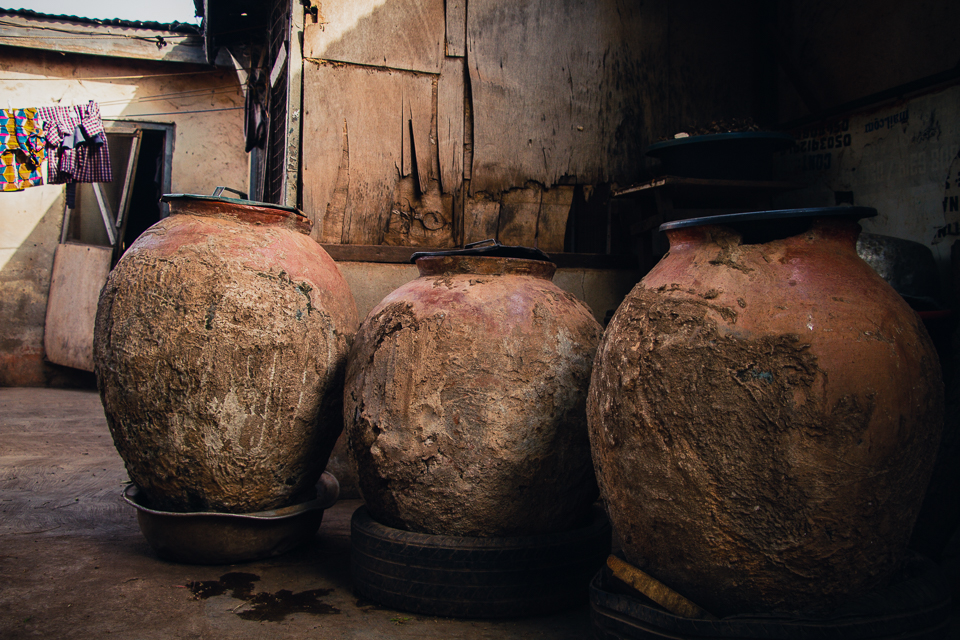
Olla (unglazed clay pot)
- Bury an unglazed terracotta vessel up to its neck in the soil and fill it with water.
- Water seeps slowly through the clay walls as the soil around it dries.
- Cover the top so it does not evaporate or attract insects.
- Works well in big pots and raised beds, 1–2 weeks per fill (estimated).
More options: trays, tents, self-watering pots and helpers
If DIY systems feel fiddly, these options are simpler or more reliable.
Bottom watering in a tub or on towels
- Lay a thick towel in the bathtub or a deep tray and add about 1 in of water.
- Stand pots with drainage holes on the towel; they draw water up through the base.
- Suits many pots at once for about a week (estimated); not ideal for succulents.
Plastic tent
- Water, then cover the plant loosely with a clear plastic bag held up by sticks so it does not touch leaves.
- The bag traps humidity and cuts water loss sharply.
- Keep tented plants out of direct sun or they overheat.
Self-watering pot
- A reservoir under the soil feeds the roots through a wick or soil column.
- Fill it to the top before you leave; many models last 2–3 weeks (estimated).
- Set it up weeks in advance so the plant gets used to it.
Neighbor or friend
- The best option for trips longer than two weeks.
- Leave a short written note: which plants, how much water and how often.
- Group the plants that need care in one place so nothing is missed.
⚠️ Do not leave pots standing in water for weeks. Water should reach the soil through a wick or towel, not drown the roots; a pot sitting in a full saucer can rot before you return.
Which plants handle it, and which do not
Not all plants react the same way to a week alone.
- Low risk: Succulents, cacti, ZZ plant, snake plant and aloe store water in their leaves or roots. A month without water often does them little harm; overwatering before you leave is the bigger danger.
- Medium risk: Pothos, philodendron, monstera and spider plant tolerate a week or so after deep watering.
- High risk: Peace lily, ferns, calathea, seedlings and potted vegetables wilt fast. Give them a wick, a towel tray or a self-watering pot.
A peace lily that droops after a trip usually perks up within hours of watering, but repeated wilting browns its leaf tips.


Balcony and garden: drip lines and timers
Outdoor pots dry far faster than indoor ones; on a hot, windy balcony a small pot can dry out in one day. For trips of a week or more in summer:
- Drip irrigation with a timer: A battery-powered tap timer and a drip line with one emitter per pot is the most reliable solution. A short daily cycle of a few minutes is a common starting point (estimated).
- Reservoir drip kits: If there is no tap on the balcony, a kit with a small pump and a water container can work for 1–2 weeks (estimated).
- Mulch: 1–2 in of bark or straw on top of the soil slows evaporation.
- Shade and shelter: Move pots out of the afternoon sun and wind, close together, ideally against a wall.
Tomatoes and other fruiting vegetables suffer most from uneven watering; long dry spells can cause blossom end rot and split fruit.

⚠️ Run any timer system for several days before you leave and check every emitter. Make sure overflow cannot drip onto a neighbor's balcony.
Do a test run
Set up your chosen method one week before the trip and watch it for 3–4 days.
- Is the soil moist but not soggy at the surface and about 1 in down?
- How much water did the container or bottle lose per day? Multiply by the days of your trip and add a margin.
- Did the wick stop working? Synthetic cords sometimes need replacing with cotton.
- Are there drips or leaks onto the floor or furniture?
When you come home
Do not rush to soak every plant. First check the soil one pot at a time.
- Dry soil: water deeply; give a very dry root ball a 20–30 minute soak in a basin.
- Wet soil: wait. Wilting in wet soil is a sign of root problems, not thirst.
- Remove plastic tents and empty trays and saucers.
- Trim dry or yellow leaves, then move plants back to their usual spots gradually.
- Wait 1–2 weeks before feeding again.
Common problems and fixes
Frequently asked questions
How long can houseplants go without water?
It depends on the plant, pot and season. Most common houseplants manage about a week after deep watering, while succulents can go three to four weeks or more (estimated).
Does the wick method really work?
Yes, for small and medium pots. Use an absorbent cotton cord, soak it first and keep the water container higher than the pot.
Should I put plants in the bathtub?
A bathtub with a wet towel works for a week or so if there is a window. Do not let pots stand directly in deep water.
Is it better to water a lot right before I leave?
Water deeply one or two days before, not on the morning you leave, and let the excess drain. Overwatering succulents is riskier than letting them dry.
What about plants on the balcony in summer?
They need a timer-controlled drip line or someone to water them. Pots in sun and wind can dry out in a single day.
Plants mentioned in this guide
Peace lilyZZ PlantSnake PlantPothosEcheveriaBoston fernAloe VeraTomato
Sources
- RHS — Houseplants: holiday care
- University of Florida IFAS Extension — Vacation Plant Care
- University of Saskatchewan Gardening — Watering houseplants while on vacation
Last updated: 2 November 2026