 Deutsch
 العربية
 中文
 Français
 English
 Español
 Italiano
 Türkçe
Olive Tree
Olea europaea · Tree/Shrub
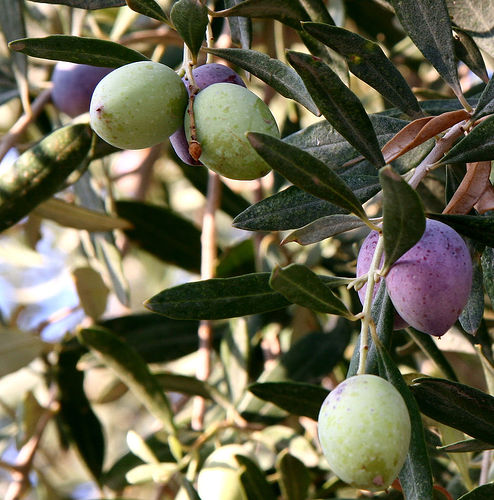
A slow, long-lived Mediterranean tree with silvery leaves and gnarled trunks. It handles drought, heat and poor soil, and grows well in large containers on a sunny patio. Fruiting needs a cool winter.

💧WaterEvery 1–2 weeks in summer, less in winter (estimated)
☀️LightFull sun, 6–8+ hours
🐾PetsNon-toxic
Care at a glance
- Light
- Full sun, 6–8+ hours
- Water
- Deep, infrequent watering once established
- Soil
- Very well-drained, sandy or rocky, pH 6.5–8.0
- Temperature
- Thrives in heat; most types hardy to about 15–20 °F
- Spacing
- 15–20 ft apart in the ground
- Container
- Large pot, 15+ gallons, with drainage
- Harvest
- Fruit ripens in fall; 3–5 years to first crop (estimated)
- Lifespan
- Centuries
When?
Plant in spring once frost is past, so roots establish over a warm season. Container trees can be repotted in spring every 2–3 years.
Step by step
- Choose the sunniest, most sheltered spot you have.
- Plant at nursery depth in fast-draining soil; avoid low wet areas.
- Water weekly during the first summer, then only in long dry spells.
- Feed lightly in spring with a balanced fertilizer.
- Prune in late winter or early spring to open the center to light.
- In pots, move to a bright, cool, frost-free place in harsh winters.
- Pick fruit green or black in fall; fresh olives must be cured before eating.
Common problems
Leaf drop indoorsToo little light; move to the brightest window or outside in summer.
Yellow leaves, wet soilOverwatering or poor drainage; water less and improve drainage.
No fruitNot enough winter chill or a young tree; be patient and keep it outdoors in winter if possible.
Pets
Olive is listed as non-toxic to cats and dogs; large amounts of fruit may still upset the stomach. If in doubt, ask your vet.
Related tools
Similar plants
Sources
This page is general guidance; no pesticide doses are given.